
- 3 November 2025
- Ridwan Fauzi, S.psi
- conversion optimizationcustomer engagemente-commerce trendsinteractive shoppinglive commercelive streaming shoppinglive video shoppingonline retail innovationreal-time shopping experiencessocial commerce
The e-commerce landscape is shifting beneath our feet. While you’ve been perfecting your product pages and checkout flows, a new shopping phenomenon has quietly generated over $500 billion in sales globally. It’s called live commerce, and it’s changing everything we thought we knew about online shopping.
Remember the excitement of QVC and home shopping networks? Live commerce brings that energy to the digital age, combining the immediacy of live video with the convenience of online shopping. But this isn’t just a nostalgic throwback—it’s a powerful conversion tool that’s helping businesses achieve engagement rates up to 10 times higher than traditional e-commerce.
If you’re looking to deepen customer relationships, reduce return rates, and create shopping experiences that actually convert, live commerce might be the competitive advantage you’ve been missing. Let’s explore how real-time shopping experiences are transforming the industry and, more importantly, how you can leverage them for your business.
What Makes Live Commerce Different from Traditional E-Commerce?
Live commerce isn’t simply streaming a video on your website. It’s an interactive, real-time shopping experience where hosts showcase products, answer questions instantly, and create urgency through limited-time offers—all while viewers can purchase products without leaving the stream.
Think of it as the digital evolution of in-store shopping. When customers walk into a physical store, they can touch products, ask questions, and get immediate answers. Traditional e-commerce lost that human connection. Live commerce brings it back.
The Three Pillars of Successful Live Commerce
Real-Time Interaction: Viewers can ask questions, request product demonstrations, and get instant responses. This immediacy builds trust and removes purchase barriers in the moment.
Social Proof in Action: When viewers see others asking questions, making purchases, or sharing enthusiasm, it creates powerful social validation. The live comment feed becomes a digital word-of-mouth engine.
Entertainment Meets Shopping: The best live commerce experiences don’t feel like sales pitches. They’re engaging, entertaining, and valuable—whether or not someone makes an immediate purchase.
Key Takeaway: Live commerce succeeds by combining the trust-building power of face-to-face interaction with the convenience and reach of digital platforms.
Why Live Commerce is Gaining Momentum Now
Several converging trends have created the perfect environment for live commerce to flourish in Western markets.
The Trust Gap in Online Shopping
Consumers are increasingly skeptical of static product descriptions and curated reviews. They want authentic, unfiltered information before making purchase decisions. Live commerce provides transparency that traditional e-commerce can’t match—viewers see products in real-time, watch how they actually work, and hear honest answers to tough questions.
The Engagement Crisis
Average e-commerce engagement rates continue to decline as consumers become desensitized to traditional marketing. Meanwhile, live commerce sessions routinely achieve engagement rates between 15-30%, with viewers spending an average of 8-10 minutes actively participating—dramatically longer than typical site visits.
Mobile-First Shopping Behavior
With over 70% of e-commerce traffic now coming from mobile devices, consumers are comfortable watching video content and making purchases on their phones. Live commerce platforms are built mobile-first, meeting customers where they already spend their time.
Platform Maturity
Social media platforms and e-commerce solutions have developed robust live streaming infrastructure with integrated shopping features. What once required complex technical implementation can now be launched relatively quickly with the right development partner.
Key Takeaway: Live commerce addresses fundamental challenges in modern e-commerce: trust, engagement, and authentic connection with customers.
Practical Strategies for Implementing Live Commerce
Ready to explore live commerce for your business? Here’s how to approach it strategically.
Start with Your Best Products
Don’t try to livestream your entire catalog. Begin with products that benefit most from demonstration or explanation:
- Complex products that customers struggle to understand from descriptions alone
- New launches where you need to build awareness and excitement
- High-margin items where increased conversion justifies the effort
- Products with high return rates due to unmet expectations
For example, if you sell kitchenware, a live demonstration of a multi-function appliance will perform better than streaming about basic utensils. If you’re in fashion, showcasing how pieces fit different body types addresses the primary concern driving returns.
Choose the Right Platform for Your Audience
Your platform choice should align with where your customers already spend time:
Instagram and Facebook Live: Ideal if you have an established social media following and want to leverage existing audiences. These platforms make it easy for viewers to discover your streams organically.
YouTube Live: Best for building evergreen content that continues driving value after the live event. YouTube’s search functionality means your live commerce videos can attract viewers months later.
Dedicated Live Shopping Platforms: Solutions like Amazon Live, Whatnot, or custom-built platforms offer superior shopping integration but require driving traffic from other channels.
Your Own Website: With proper development, you can host live commerce directly on your site, maintaining complete control over the customer experience and data. This approach works best if you have significant existing traffic.
We typically recommend starting where your audience already engages with your brand, then expanding to additional platforms as you refine your approach.
Create a Content Calendar That Builds Anticipation
Consistency matters more than frequency in live commerce. Your audience needs to know when to expect your streams. Consider:
- Weekly sessions at the same day and time to build routine viewership
- Monthly special events for major launches or sales
- Quarterly “mega-streams” with guest experts or influencers
Promote upcoming streams across all your channels—email, social media, website banners—at least 3-5 days in advance. Create countdown posts, behind-the-scenes teasers, and preview content to build anticipation.
Design for Interaction, Not Broadcasting
The biggest mistake brands make is treating live commerce like a TV commercial. Your goal is conversation, not monologue.
Effective techniques include:
- Starting with a warm-up period where you chat casually and acknowledge viewers by name
- Explicitly asking for questions and comments throughout the stream
- Creating moments for audience participation (“Drop an emoji if you’d wear this to a wedding”)
- Responding to comments in real-time, even if they’re off-topic
- Using polls and questions to guide your demonstration based on viewer interest
Plan your content, but stay flexible enough to respond to what your audience actually wants to know.
Incentivize Live Purchases Without Being Pushy
Create legitimate reasons to buy during the live stream rather than later:
- Exclusive discount codes available only during the broadcast
- Limited quantity offers that create authentic urgency
- Bundle deals combining products you’re featuring
- Free shipping for live viewers
- Early access to new products before general release
The key is making these offers valuable without making viewers feel manipulated. Your tone should be “we’re all in this together” rather than aggressive sales tactics.
Key Takeaway: Successful live commerce requires strategic planning around products, platforms, scheduling, and audience engagement—not just turning on a camera and hoping for sales.
Measuring Live Commerce Success Beyond Immediate Sales
While conversion rates and revenue per stream are important metrics, live commerce delivers value that extends beyond immediate transactions.
Engagement Metrics That Matter
Track average watch time, peak concurrent viewers, and comment rates. These indicate whether you’re creating compelling content that holds attention. If viewers drop off quickly, you need to improve your opening or content structure.
Monitor question volume and response rates. High question volume means you’re building trust and engaging your audience. If no one asks questions, your stream may feel too scripted or unwelcoming.
Long-Term Customer Value
Compare the lifetime value of customers acquired through live commerce versus other channels. We typically see live commerce customers showing:
- 20-30% higher repeat purchase rates
- Lower return rates due to better product understanding
- Higher average order values on subsequent purchases
- Stronger brand loyalty and engagement with marketing content
Content Longevity
Don’t overlook the replay value of your streams. With proper editing and optimization, recorded live commerce sessions become valuable evergreen content. Track views, engagement, and conversions from replays separately—they often deliver substantial ongoing value.
Community Building
Pay attention to qualitative signals: Are viewers returning for multiple streams? Do they interact with each other in comments? Are they sharing your streams with their networks? These community indicators predict long-term success better than any single sales metric.
Key Takeaway: Live commerce is a long-term strategy for building customer relationships, not just a short-term sales tactic. Measure its impact accordingly.
Overcoming Common Live Commerce Challenges
Every business we work with faces similar concerns when considering live commerce. Here’s how to address them.
“We don’t have the technical capabilities”
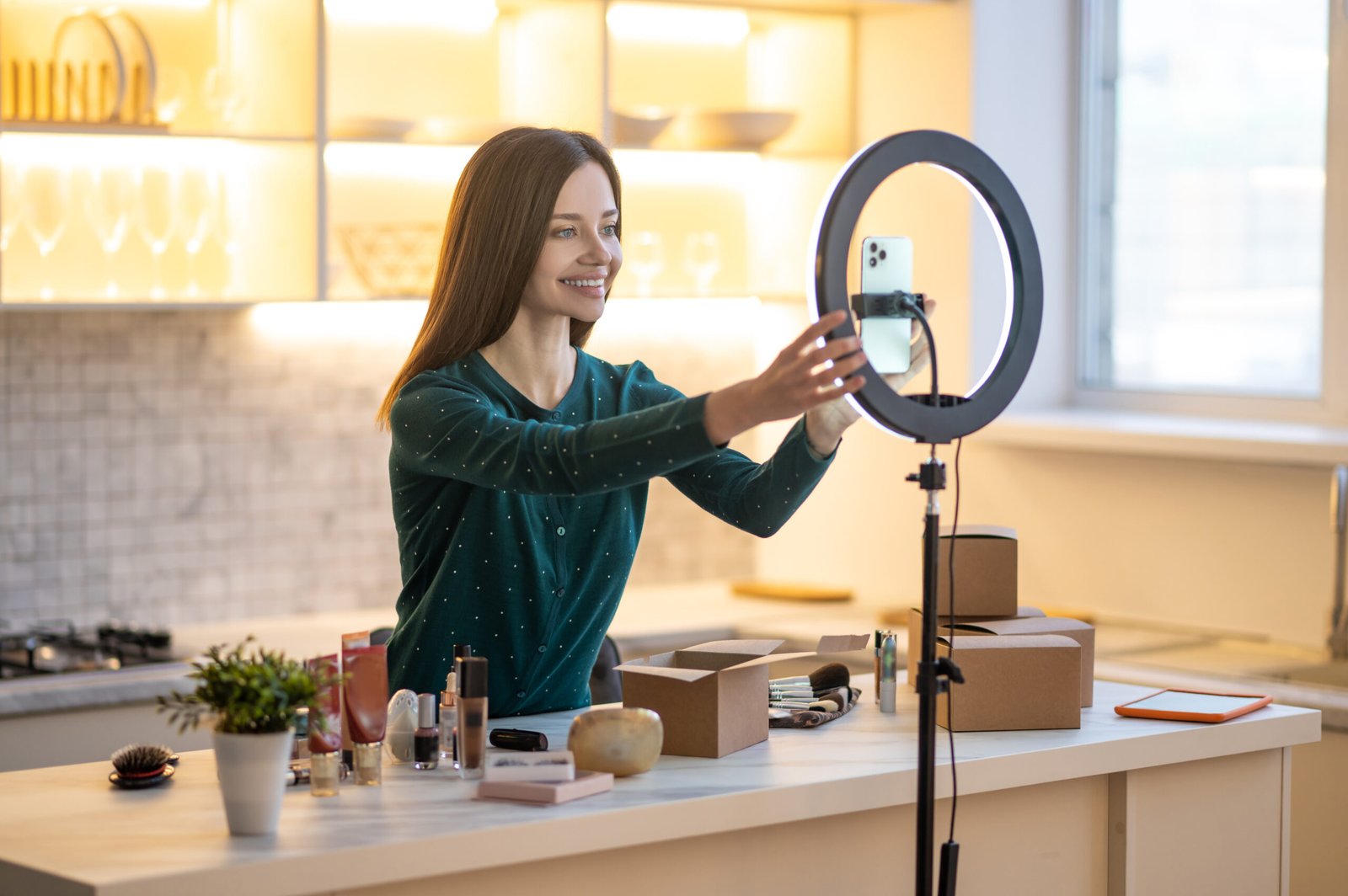
You don’t need a television production studio to start. Many businesses begin successfully with just a smartphone, ring light, and tripod. The technology matters far less than authentic engagement and valuable content.
That said, as you scale, you’ll want features like integrated shopping carts, multi-camera setups, and professional graphics. This is where working with a development partner experienced in e-commerce integration becomes valuable. We can build custom solutions that match your brand and seamlessly integrate with your existing platform.
“Our team isn’t comfortable on camera”
Camera comfort develops with practice. Start with team members who are naturally outgoing and passionate about your products. Early streams will feel awkward—that’s normal. Your audience will appreciate authenticity over polish.
Consider these approaches:
- Partner with micro-influencers who understand your products
- Use a two-person format with one host and one expert
- Start with shorter, lower-stakes streams to build confidence
- Practice with internal “mock streams” before going live
“We’re not sure our customers will participate”
You won’t know until you try, but the data suggests most customer bases respond positively when approached correctly. Start by surveying your most engaged customers. Would they attend a live product demonstration? What products or topics would interest them?
Begin with a test stream promoted to a small segment of your audience. Use learnings to refine your approach before broader rollout.
“The ROI seems unclear”
This is a valid concern, especially in the early stages. Set realistic expectations: your first few streams will underperform as you learn what resonates. Budget for this learning curve.
Calculate your break-even point based on production costs, promotion expenses, and team time. For most businesses, if each stream generates 15-25 orders, it becomes worthwhile even before factoring in long-term benefits.
Key Takeaway: Most live commerce challenges are surmountable with realistic expectations, gradual implementation, and willingness to learn from early attempts.
The Future of Live Commerce: What’s Coming Next
Live commerce is still evolving rapidly. Forward-thinking businesses should watch these emerging trends.
AI-Enhanced Personalization
Artificial intelligence will soon enable personalized product recommendations during live streams based on viewer behavior and preferences. Imagine a stream that shows different products to different viewers based on their browsing history.
Augmented Reality Integration
AR features will allow viewers to virtually “try on” or visualize products in their space during live streams—combining the immediacy of live shopping with the confidence of experiencing products before purchase.
Shoppable Video Throughout the Customer Journey
The line between live commerce and regular video content will blur. Short-form videos, tutorials, and user-generated content will increasingly include real-time shopping capabilities, creating more purchase opportunities throughout the customer journey.
Cross-Platform Streaming
Businesses will simultaneously broadcast to multiple platforms while maintaining a unified shopping experience, maximizing reach without fragmenting operations.
Key Takeaway: Early adopters of live commerce are positioning themselves to leverage these emerging capabilities as they mature.
Getting Started with Live Commerce
Live commerce represents a fundamental shift in how customers want to shop online. It’s not replacing traditional e-commerce—it’s complementing it by adding the human connection that digital shopping has always lacked.
You don’t need to overhaul your entire business strategy to benefit from live commerce. Start small, test with your most engaged customers, and iterate based on what you learn. The businesses seeing the most success aren’t necessarily the ones with the biggest budgets or fanciest production—they’re the ones consistently showing up, engaging authentically, and providing real value to their audience.
If you’re ready to explore how live commerce can work for your specific business model, we’d love to help. At MNBApps, we specialize in building custom e-commerce solutions that integrate seamlessly with live shopping platforms. Whether you need technical infrastructure, conversion optimization, or strategic guidance on implementation, we’ve helped businesses across industries launch successful live commerce programs.
The future of online shopping is interactive, immediate, and authentic. The question isn’t whether live commerce will impact your industry—it’s whether you’ll be leading that change or catching up to competitors who started earlier.